
If digital marketing is so powerful, why do so many businesses still struggle online?
This is a question I’ve seen repeatedly-from small business owners, startups, and even established brands. They invest time, money, and effort into websites, social media, and ads, yet results remain inconsistent or disappointing.
The issue is not digital marketing itself.
The issue is how it is approached.
Most online marketing fails not because businesses aren’t trying, but because they are focusing on the wrong things.
The Myth of “Being Everywhere”
One of the biggest mistakes businesses make is trying to be present on every platform at once.
Instagram, Facebook, LinkedIn, YouTube, Google Ads, email marketing, everything seems important. So businesses spread their energy thin, creating content everywhere but building authority nowhere.
Being everywhere doesn’t create impact.
Being relevant does.
Effective digital marketing starts by identifying where your audience actually pays attention and focusing deeply on those channels instead of chasing trends.
Tools Don’t Create Results – Understanding Does
There is no shortage of marketing tools today. Analytics dashboards, automation software, ad managers, AI tools – each promises better results.
But tools don’t think. People do.
Many businesses rely on tools without understanding their audience:
- What problem are customers trying to solve?
- What information do they need before buying?
- What creates trust for them?
When marketing is built without these answers, even the best tools fail.
Traffic Without Purpose Is Useless
Another common failure point is chasing traffic for the sake of numbers.
High website traffic looks impressive, but traffic alone doesn’t pay bills. If visitors don’t understand the message, don’t trust the brand, or don’t know what to do next, they leave.
Marketing should guide users:
- From curiosity
- To understanding
- To confidence
- To action
Without a clear journey, traffic becomes noise.
Why Copy-Paste Strategies Don’t Work
Many businesses copy what competitors are doing. Same content style, same ad formats, same messaging.
But customers don’t compare businesses the way marketers do. They compare based on clarity and trust.
A strategy that works for one brand may fail for another because:
- The audience is different
- The value proposition is different
- The brand voice is different
Real digital marketing requires customization, not duplication.
SEO Fails When It’s Treated as a Shortcut
SEO is often misunderstood as a quick way to rank on Google. This mindset leads to keyword stuffing, low-quality content, and unrealistic expectations.
SEO works when content is created for people first.
Search engines reward websites that:
- Answer questions clearly
- Load fast
- Provide a good user experience
- Maintain consistency over time
When SEO is treated as a long-term investment rather than a hack, results follow.
Social Media Fails When It Becomes Noise
Social media marketing fails when brands talk too much and listen too little.
Posting daily without value creates fatigue. Users scroll past content that feels repetitive or purely promotional.
What works instead:
- Educational content
- Honest insights
- Behind-the-scenes stories
- Clear opinions
- Real engagement
People connect with humans, not logos.
Paid Ads Fail Without Foundation
Paid advertising can bring instant visibility, but it often fails because businesses expect ads to fix deeper problems.
Ads cannot fix:
- Weak messaging
- Poor websites
- Confusing offers
- Lack of trust
Paid campaigns work best when they amplify a strong foundation—not when they are used as a replacement for strategy.
What Actually Works in Digital Marketing
After observing what succeeds consistently, certain principles stand out.
1. Clarity Over Creativity
Creative content matters, but clarity matters more. Users should immediately understand:
- What you offer
- Who it’s for
- Why it’s valuable
2. Consistency Over Intensity
Posting or advertising intensely for a short period rarely works. Consistent effort over time builds trust and authority.
3. Value Before Promotion
When marketing educates before selling, customers make confident decisions.
4. Experience Over Impression
A smooth website experience, clear navigation, and helpful content convert better than flashy designs.
5. Data With Direction
Data should guide decisions – not confuse them. Focus on metrics that reflect real business growth.
Digital Marketing Is a Process, Not a Campaign
One-time campaigns create temporary attention. Processes create sustainable growth.
Strong digital marketing systems:
- Attract the right audience
- Educate consistently
- Build credibility
- Convert naturally
- Improve continuously
This is how online presence turns into business growth.
Final Thoughts
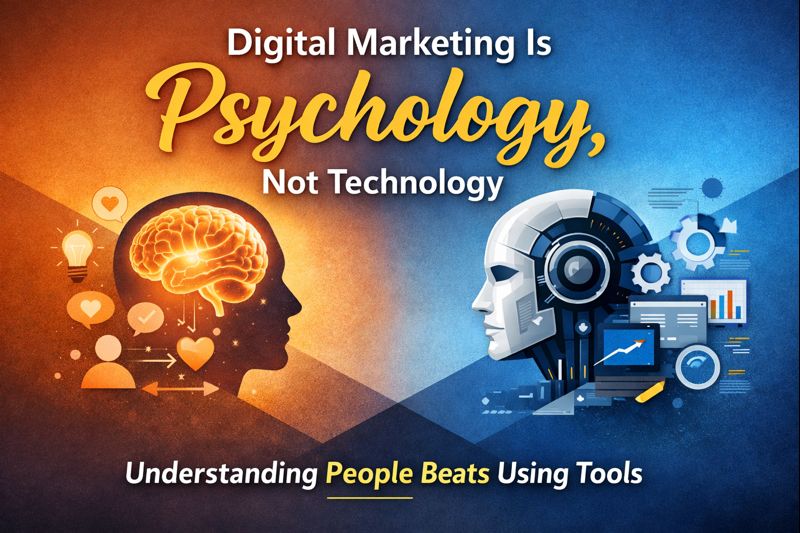
Most online marketing fails because it prioritizes tools, trends, and tactics over understanding people.
When businesses shift their focus to clarity, consistency, and customer experience, digital marketing starts working the way it’s supposed to.
The goal isn’t to do more marketing.
The goal is to do meaningful marketing.